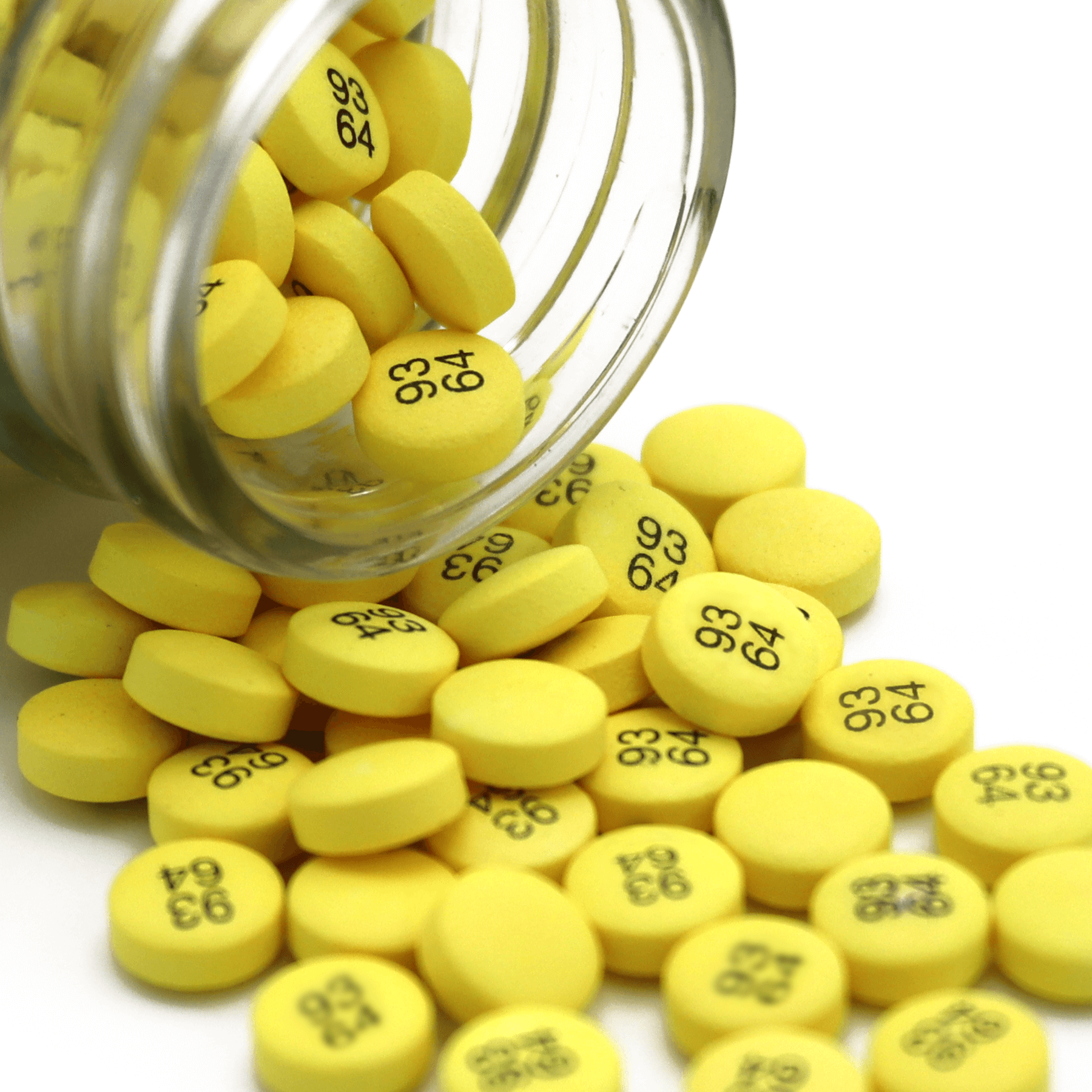
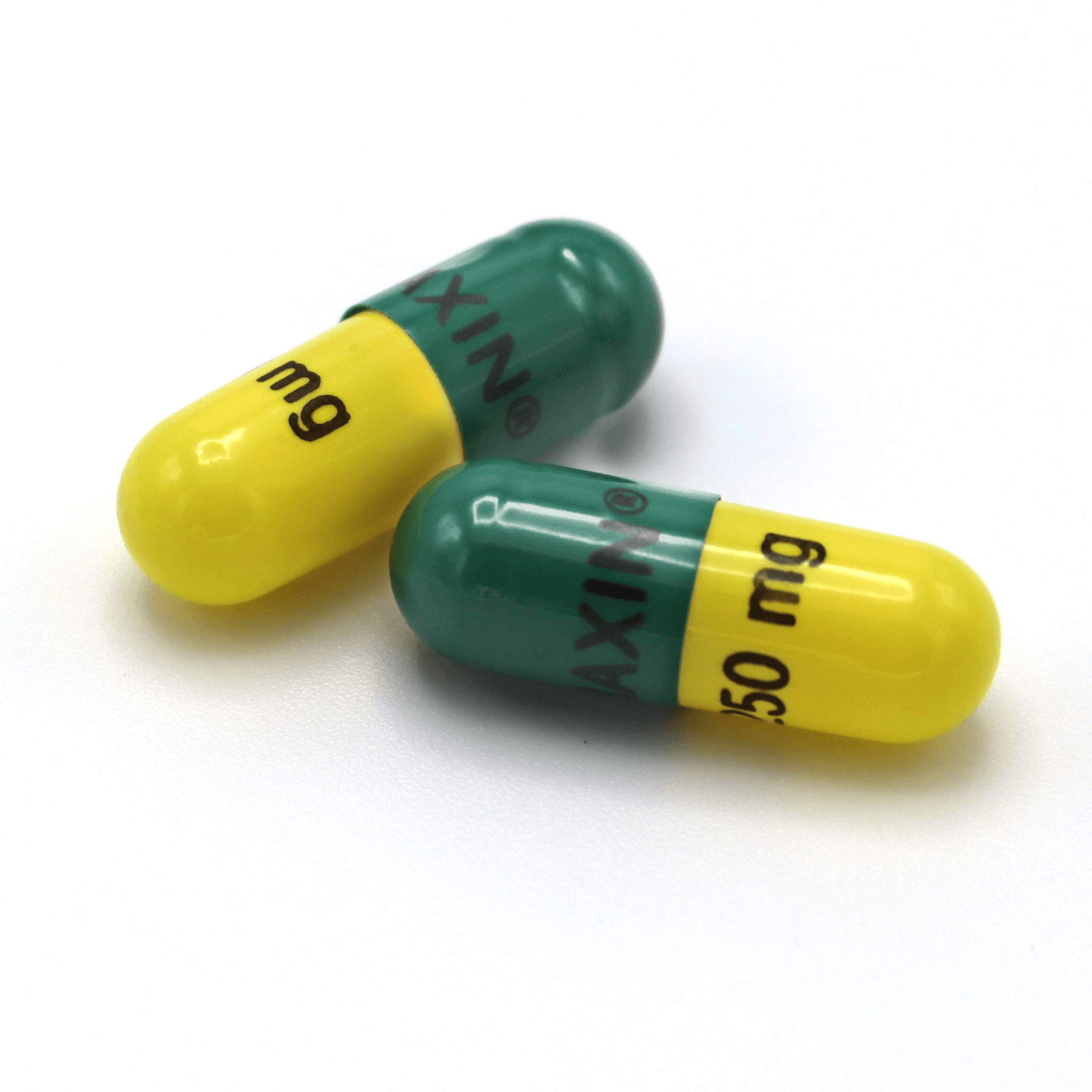
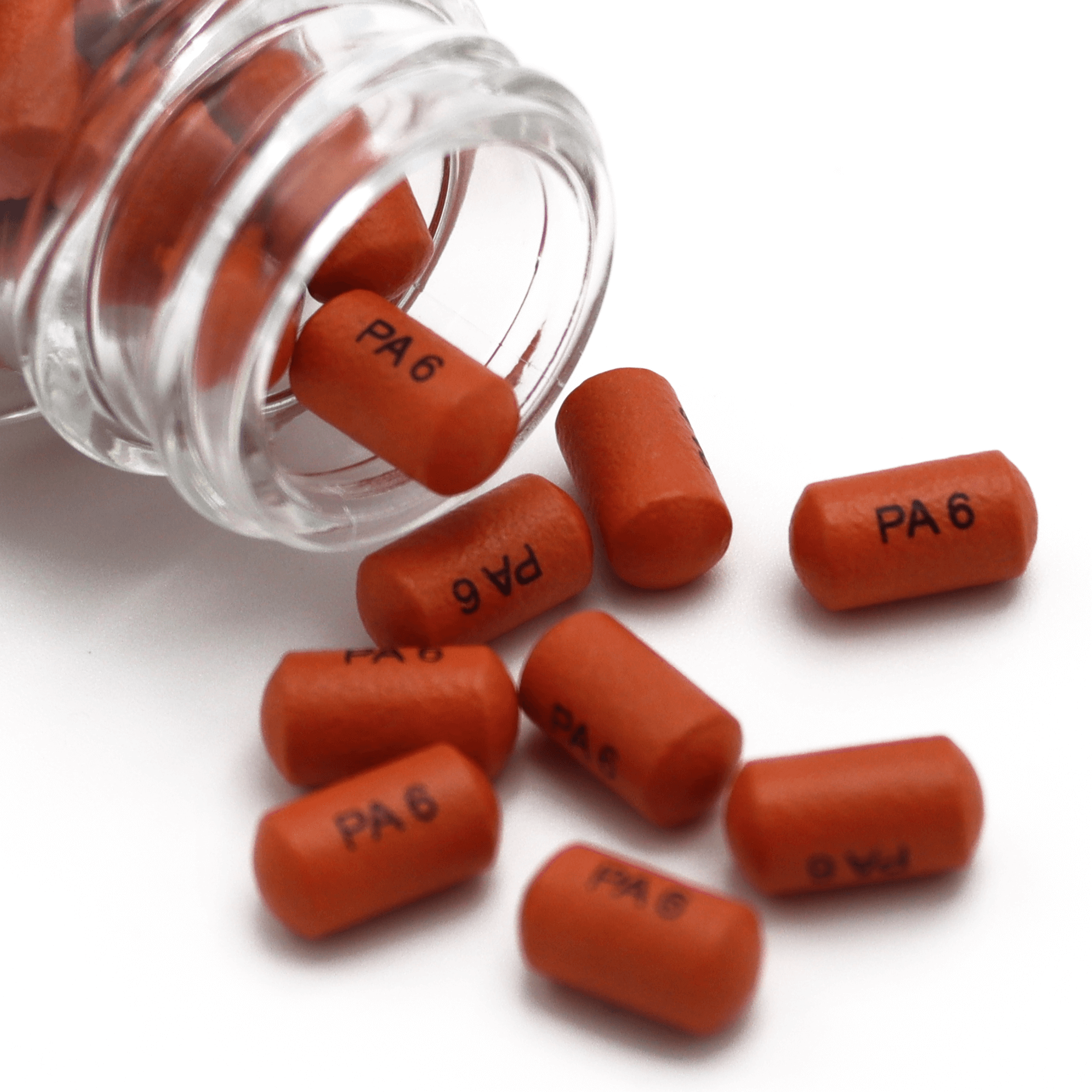
It is easy to see the benefits that clear tablet and capsule identification provides.
If you have ever dropped a tablet or mixed several pills of similar color together in a pill box, then you understand how important it is to be able to distinguish one medication from another. In today’s regulation intensive environment, it is hard to imagine there was ever a time when tablets and medications were dispensed to patients without some type of unique identifying marking. Yet it was not until 1995 that the government began implementing regulation of on-dose identifiers with requirements outlined by the FDA in an effort to increase patient safety.
The Early Years of Tablet Identification
Debossing numbers or characters into the surface of a tablet was an important first step in distinguishing medications, but there were limitations.
The debossed characters were only clearly identifiable when lighting could shadow the image, presenting a problem in low light conditions and a challenge to those with poor eyesight. In addition, since tablets were hard to swallow and tasted bad, they were often coated with a sweet syrup or powder to make them easier to take. While this made the medications easier to ingest, the thick coatings would fill in the debossed information, making it difficult to read.
In the 1950’s, drug companies began to adopt rubber roll printing techniques that had been used by the confectionery industry to identify their products. Edible inks were used to imprint tablets and differentiate products. Even capsules, which up until that point were differentiated just by capsule size and color, started to adopt the practice of on-dose printing with edible inks to identify their products.
Though pharmaceutical companies started to employ these identification techniques, there were no government mandates for them to do so. In 1986, the FDA started gathering identifying information from drug manufacturers to help pharmacists recognize drugs, but reporting requirements were strictly voluntary. The year 1995 marked a turning point for drug manufacturers, as the FDA implemented 21 CFR Part 206, “Imprinting of solid oral dosage form drug products for human use.”
Modern Day Tablet & Capsule Printing and Laser Marking
Today, all approved prescriptions and over-the-counter solid, oral dosage form medications are required by the Food and Drug Administration to have a unique imprint.
Printing remains an excellent solution for differentiating products. Modern, FDA-approved inks are designed specifically for the type of product for which they are intended, and for the specific machine they will be printed on. Today’s leading manufacturer of pharmaceutical rotogravure printing machinery produces machinery capable of operating at high speeds and can print either one or two-sided, in any combination of colors imaginable.
In addition to traditional ink printing techniques, non-contact techniques such as laser printing (also known as laser writing, laser marking or laser etching) are now used to etch identifying information onto the surface of tablets and softgel capsules.
 Sec. 206.10 Code Imprint Required.
(a) Unless exempted under 206.7, no drug product in solid oral dosage form may be introduced or delivered for introduction into interstate commerce unless it is clearly marked or imprinted with a code imprint that, in conjunction with the product’s size, shape, and color, permits the unique identification of the drug product and the manufacturer or distributor of the product.